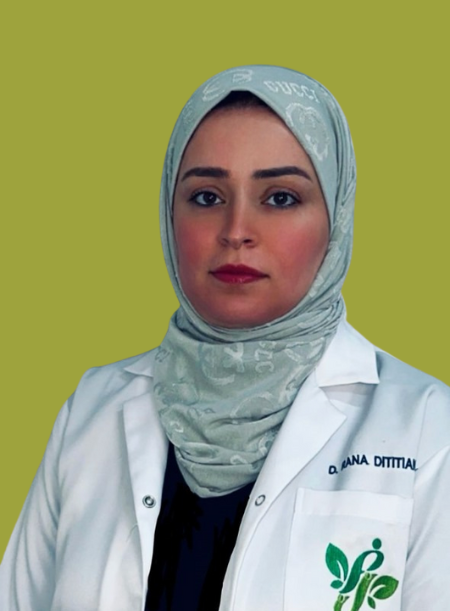

Family health care plays a central role in maintaining well-being across childhood, adolescence, adulthood, and later years. Health needs evolve over time, yet prevention, early detection, and personalized follow-up remain constant priorities. Structured programs that address physical, nutritional, hormonal, and lifestyle factors provide continuity of care and support long-term stability for every member of the family.
Family Health Care from Childhood to Adolescence:
Comprehensive family health care begins with preventive foundations.
Key priorities in early life include:
- Growth and developmental monitoring
- Nutritional assessment and micronutrient balance
- Immunization follow-up according to approved schedules
- Screening for early metabolic or endocrine changes
Adolescence introduces hormonal transitions and lifestyle shifts. At this stage, structured follow-up helps address:
- Nutritional deficiencies
- Skin and hormonal changes
- Early metabolic risk markers
- Mental and emotional health indicators
Preventive attention during these stages reduces long-term complications and supports healthy maturation.
Adult Preventive Screening and Risk Assessment:
Adulthood requires a proactive approach to maintaining balance.
Effective family health care programs commonly include:
- Cardiovascular risk evaluation
- Blood glucose and metabolic screening
- Thyroid function assessment
- Nutritional and lifestyle counseling
Lifestyle stress, sedentary habits, and dietary imbalance can influence systemic inflammation and metabolic health. Regular evaluation supports early identification of subtle imbalances before symptoms escalate.
Structured screening is not a reaction to illness. It is a preventive strategy guided by evidence-based medical protocols.
Women’s Health and Hormonal Balance:
Women’s health requires individualized assessment across different life stages.
Integrated family health care often focuses on:
- Hormonal regulation monitoring
- Iron and micronutrient status
- Reproductive health evaluation
- Skin and hair health linked to internal balance
Hormonal fluctuations may affect metabolism, mood, skin, and overall vitality. Targeted evaluation ensures that internal markers are aligned with clinical observations.
Balanced care is based on data, not assumptions. Personalized assessment provides clarity in decision-making.
The Role of Nutritional and Mineral Assessment:
Nutritional status directly influences immune resilience and tissue health.
Modern family health care may incorporate:
- Detailed dietary review
- Micronutrient evaluation
- Mineral balance analysis
- Assessment of oxidative stress patterns
Imbalances in trace minerals can affect energy production, metabolic efficiency, and even skin and hair condition. Interpreting these patterns within a broader clinical context allows for a deeper understanding of systemic health.
This integrated approach connects laboratory insights with real-life symptoms in a structured way. (watch the video)
Why Choose Dr. Fawzia Al Jeziri Center?
At Dr. Fawzia Al Jeziri Center, family health care is approached through a comprehensive and preventive framework that connects internal balance with visible health outcomes.
What distinguishes the center:
- Individualized health assessments for all life stages
- Advanced mineral analysis interpretation when clinically indicated
- Integration of nutrition, hormonal evaluation, and dermatological insights
- Evidence-based screening protocols aligned with preventive standards
- A clinical environment committed to hygiene, accuracy, and professional follow-up
Care is structured, data-guided, and tailored to each family member rather than based on generalized templates.(watch the video)
FAQ
Is family health care only necessary when symptoms appear?
No. Preventive screening is designed to detect imbalances before symptoms develop.
Do children and adults need different monitoring plans?
Yes. Health priorities vary according to age, growth stage, and hormonal status.
Can mineral imbalances affect overall health?
Yes. Trace mineral levels influence metabolism, immunity, and tissue integrity.
How often should preventive evaluations be done?
Frequency depends on age, risk profile, and clinical findings.
Conclusion:
Family health care programs create continuity, prevention, and personalized monitoring across all life stages. Structured evaluation, balanced nutrition, and data-guided screening contribute to long-term stability and resilience.
Book your consultation today at Dr. Fawzia Al Jeziri Center and ensure that your family health care plan is aligned with professional assessment, preventive strategy, and evidence-based medical guidance.